Quiet Care: Safe Mental Stimulation and Gentle Movements for Dogs on Crate Rest
Caring Calmly Through the Confinement Challenge
When a veterinarian orders strict crate rest after orthopedic surgery, a spinal injury, or another serious setback, the emotional whiplash can be intense. One moment, the household is focused on treatment and hope; the next, ordinary activities such as climbing onto the sofa, crossing a slippery floor, or greeting the family at the door may become unsafe. Your dog may look brighter before the healing tissue is ready, which makes confinement feel especially difficult.
Rest protects vulnerable bones, joints, discs, tendons, and surgical repairs, but complete inactivity can also bring whining, frustration, stiffness, and fast loss of conditioning. The answer is not to improvise extra exercise. It is to practice quiet care: low-arousal mental stimulation, carefully managed comfort, and only those gentle isometric or passive movements specifically cleared by the veterinary rehabilitation team. For broader guidance on safe crate rest for dogs, the details must always be adapted to the individual injury, procedure, temperament, and home environment.
Protecting Posture and Preventing Rapid Muscle Loss
Muscle does not wait several weeks before responding to inactivity. Reduced use can begin changing muscle tone within days, while pain and protective weight shifting may hide the decline. A dog may appear to stand reasonably well while quietly unloading one limb or recruiting other muscles in an uneven pattern. Reviews of muscle maintenance research, including work on companion animals, describe inactivity, illness, and injury as situations in which muscle breakdown can outpace muscle protein building. Read the research overview on muscle maintenance during disuse for context, but do not interpret human supplementation advice as a reason to give a dog a new product without veterinary approval.
That decline does not justify letting a recovering dog roam. Leaping from a crate, scrambling on laminate, twisting during a greeting, or bolting through a doorway can place sudden force on tissue that is still knitting together. In spinal cases, a single explosive movement may be more dangerous than several quiet minutes of carefully supported positioning. The recovery plan should therefore distinguish between controlled loading, which may be therapeutic at the right stage, and uncontrolled motion, which can undo progress.
The table below shows why management details matter. Your veterinarian may recommend a room, pen, or crate rather than strict confinement, depending on the dog”s size, temperament, flooring, surgical site, and ability to remain calm.
| Common recovery hazard | Controlled recovery practice |
|---|---|
| Jumping out of a crate or onto furniture | Use a secure exit routine and keep all surfaces at floor level |
| Sliding while standing or toileting | Add non-slip runners and provide slow, supported transitions |
| Fast greetings and sudden turns | Keep arrivals quiet and restrict access to exciting household traffic |
| Long, unsupervised wandering | Follow prescribed bathroom and walking limits exactly |
| Unnoticed weight shifting and muscle loss | Use veterinary-cleared monitoring, positioning, and rehabilitation exercises |
Gentle Gym Micro-Movements for Sedentary Snouts
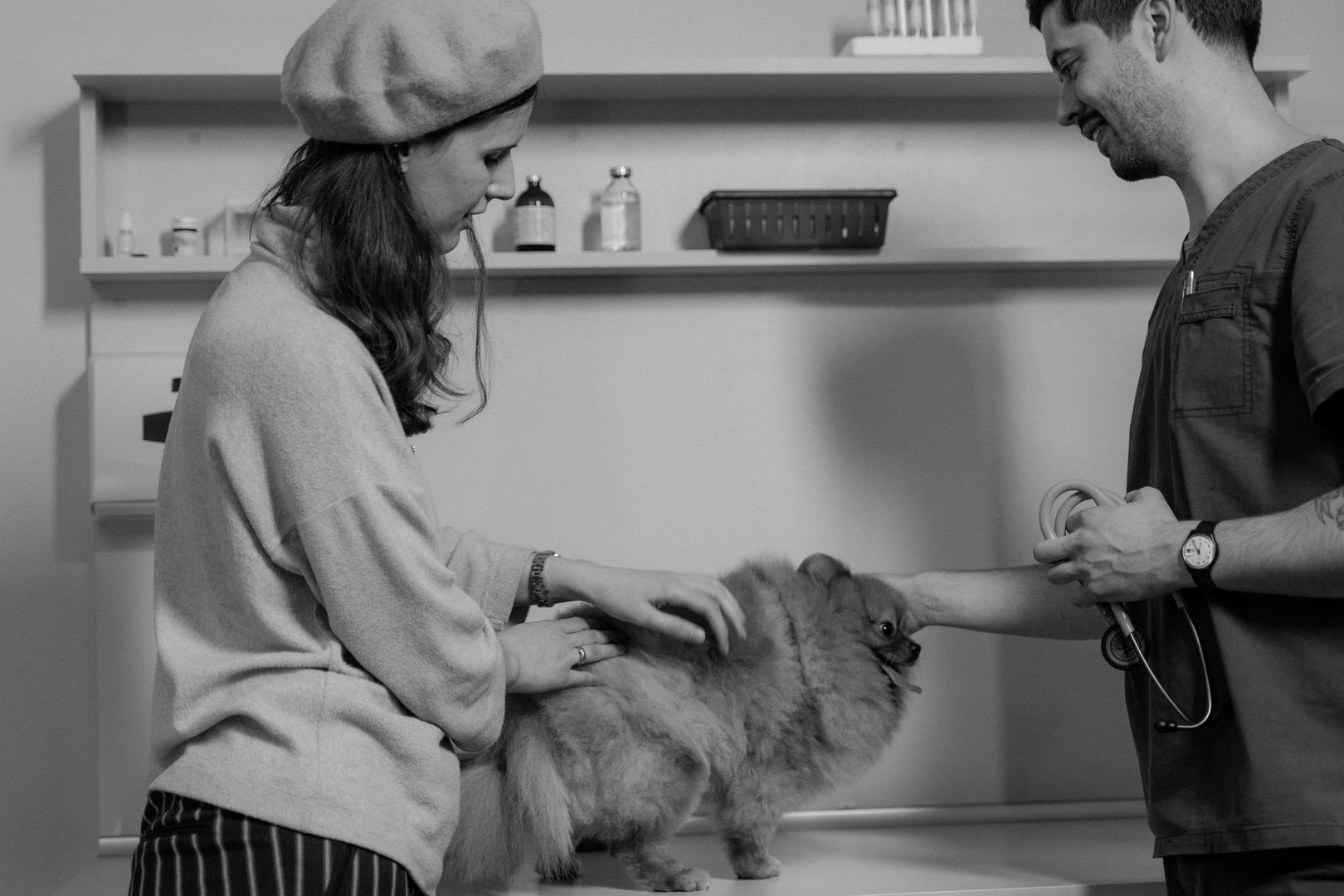
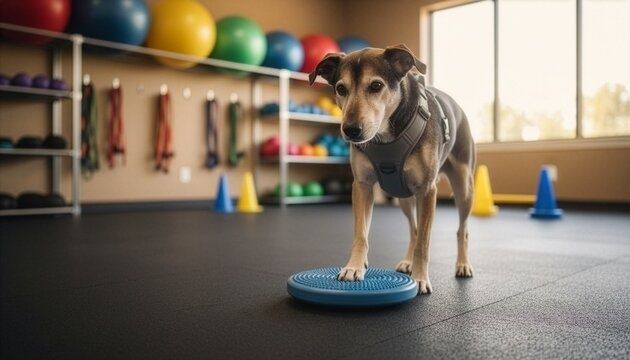
Isometric exercise means a muscle contracts without a visible change in joint angle. In theory, this can help maintain activation while avoiding large movements, but it is not automatically safe for every injury. A repaired cruciate ligament, unstable spine, fractured bone, painful shoulder, or neurological condition may require a completely different approach. Ask the rehabilitation professional which muscles may be activated, how often, and whether the dog should be standing, sitting, or lying down.
If weight shifting has been approved, the safest starting position is often a calm sternal, or “sphinx,” position on a firm, non-slip surface. The dog”s chest and abdomen remain supported while the head follows a small treat movement. Stop immediately if there is trembling, pain, sudden panting, resistance, dragging, or a change in breathing. The following sequence is a framework for discussion with the veterinary team, not a replacement for an individualized prescription.
- Settle the dog in a straight, supported sternal position, with the front legs comfortably forward and the spine kept neutral.
- Place a tiny, measured treat close to the nose and move it only a few inches toward one shoulder, allowing a small head turn without pulling the neck.
- Return to center, pause, and repeat toward the other side if the dog remains relaxed.
- If the veterinarian has cleared forelimb or hindlimb loading, progress to a brief, even weight shift while the dog stays supported. Use a calm voice and stop before fatigue appears.
- Record the number of repetitions and the dog”s response so the rehabilitation team can adjust the plan.
Passive range of motion, or PROM, is different. The handler gently moves a limb through an approved arc while the dog remains relaxed and does not actively bear weight. This technique can help preserve joint mobility in selected cases, but forcing a joint, moving across a surgical restriction, or treating resistance as something to overcome can cause harm. Only a trained person should demonstrate the movement, and the veterinarian should specify which joints, direction, range, and frequency are appropriate.
Gentle cookie stretches can preserve comfortable cervical movement when the neck and spine are stable. Hold the reward at nose height, then guide a very small turn rather than a deep bend or twist. Never lure a dog into a tight curl, rapid reach, or unstable posture after spinal surgery. A calm head turn that ends while the dog is still comfortable is more useful than a dramatic stretch.
Sniffing Stations and Still Brain Busters
Sniffing gives the brain meaningful work without requiring a brisk walk. Odor information is processed through extensive neural pathways, and searching for a scent can be mentally tiring even when the body remains quiet. The goal during crate rest is not to create excitement or a frantic hunt. It is to offer a slow, predictable investigation that ends with relaxed breathing and a settled body.
Use food from the dog”s daily ration rather than adding unlimited treats. Keep puzzles stationary, supervise every session, and remove objects that can be shredded or swallowed. Helpful options include:
- Muffin tin searching: Place a few pieces of kibble in selected cups and cover only those cups with lightweight, safe objects that cannot be chewed or pushed into the mouth.
- Tea-strainer scent jars: Put a familiar, veterinarian-approved scent on the outside of a securely closed container with ventilation through a protected strainer. The dog should sniff, not lick, open, or ingest the material.
- Rolled-towel treats: Loosely roll a clean towel around a few pieces of food and place it flat. Avoid tight knots, loose threads, and any version that encourages digging or vigorous tugging.
- Still discrimination games: Present two safe objects at nose level and reward a calm look or sniff toward the named item. Keep sessions brief and prevent pawing.
Licking can be especially useful because it is repetitive, quiet, and compatible with a resting posture. A thin layer of the dog”s regular wet food on a frozen lick mat may extend mealtime, while a slow feeder can make a prescribed portion last longer. Place the mat so the dog does not need to stretch, brace, or slide. Freezing food does not make a product safe if the dog can tear off pieces, so supervision remains essential.
Chewing requires extra judgment. Hard bones, antlers, and very tough products can damage teeth, while edible chews may upset digestion or add substantial calories. Choose only items approved for the individual dog, and remove them when they become small enough to swallow. If licking or chewing causes guarding, frantic movement, vomiting, diarrhea, or agitation, switch to a simpler scent activity.
Cozy Crates and Calming Routines for Daily Peace
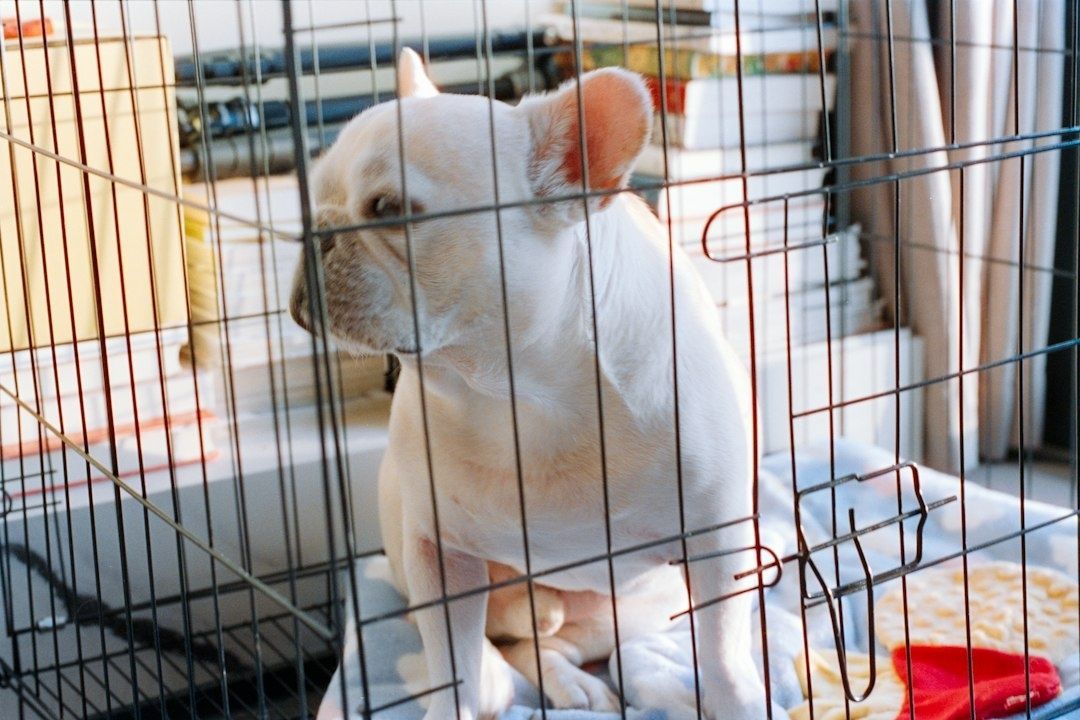
A suitable crate should allow the dog to stand, turn, stretch, and lie fully extended without forcing awkward posture. Supportive orthopedic bedding can reduce pressure on elbows and hips, but it must not be so thick or slippery that standing becomes difficult. Add a non-slip layer beneath the bedding, secure water safely, and keep food away from the sleeping area when space permits. Check the setup several times a day for dampness, fur, drool, overheating, and scratch damage.
Position the crate near ordinary family activity so the dog does not feel abandoned, but not in the busiest walkway or beside a window that triggers barking. A quiet corner with a clear view of trusted people often works better than a central location. If visitors, children, or other pets make the dog lunge or vocalize, use a visual barrier and create a calmer zone. The crate is a recovery space, not a place for forced social interaction.
Reduced movement also reduces energy needs. Continuing the old food portion while activity falls can cause weight gain, and extra treats used for enrichment can add up quickly. A study of post-spay dogs found differences in food intake, body condition, and fat gain between dietary approaches, illustrating why calorie management deserves attention during periods of reduced activity. Review the findings in the canine diet and body composition study, then ask the veterinarian or veterinary nutritionist to adjust portions based on body condition, medical needs, and the recovery plan. Do not increase protein, add supplements, or change therapeutic food without professional advice.
A predictable rhythm helps the dog understand what comes next. A simple day may alternate quiet sleep, prescribed bathroom care, a brief scent puzzle, rest, gentle massage if cleared, and calm companionship. Massage should be light and directed by a professional, especially near an incision, swollen area, painful limb, or neurological injury. Keep a written log of appetite, bathroom habits, comfort, medication timing, breathing, and movement changes.
- Keep all exits slow, supported, and supervised.
- Use the same calm verbal cue before toileting or repositioning.
- Offer enrichment when the dog is already settled, not when whining has escalated.
- Stop any activity that causes pain, panting, trembling, repeated repositioning, or frantic behavior.
- Contact the veterinary team promptly for worsening weakness, new dragging, loss of bladder or bowel control, incision discharge, marked swelling, uncontrolled pain, or sudden behavioral change.
Turning Restricted Weeks Into a Period of Deeper Bonding
Crate rest is a temporary detour, not proof that vitality has disappeared. Healing may look uneventful from the outside, and progress may be measured in small signs: a softer expression, relaxed shoulders, calm breathing, a comfortable position change, or a brief, approved muscle contraction. Those quiet milestones matter because recovery is built from consistency rather than dramatic displays of energy.
Work closely with the veterinarian, surgeon, and rehabilitation professional, and ask for clear limits on movement, flooring, stairs, toileting, enrichment, and progression. Keep the home calm, protect the dog from avoidable slips and surges, and protect your own energy by using a schedule that other household members can follow. Patience, precise handling, and gentle brain work can turn difficult weeks into a safer period of trust, comfort, and deeper connection.