
Mudroom Magic for Rainy Day Dog Walks
Taming the Tempest of Muddy Paws and Wet Days
Rainy day walks can be wonderfully stimulating for dogs, but the return home often brings a familiar storm of its own: muddy paws, dripping coats, wet leashes, and a determined sprint toward the cleanest rug in the house. The mess is frustrating when it reaches hardwood floors, pale upholstery, or the sofa where fur and damp odors quickly settle in.
That chaos usually reflects a missing transition, not bad manners. A dog moving directly from energetic outdoor exploration to a slippery hallway has no clear signal that the pace should change. The solution is a staged routine that combines layered floor protection, calm handling, and supplies placed exactly where they are needed. With a few low-cost adjustments, any entryway can become a peaceful landing zone. For high-traffic thresholds, durable water-trapping essentials help stop moisture from migrating indoors before it has a chance to spread.
Mastering the Moisture Barrier with Multi-Zone Matting
The most reliable entryway defense works in zones rather than relying on one small doormat. Think of the route from outside to inside as a three-tier flooring defense. First comes a scraper surface that loosens grit, grass, and clumps of mud. Next is a high-absorption core that catches water from the paw pads. Finally, a dry-off landing gives you room to towel the dog before paws reach vulnerable flooring.
Place the zones in the order your dog naturally travels. A textured outdoor mat should sit just beyond the door or under a covered porch. Immediately inside, use a broad, absorbent runner rather than a narrow rectangle. At the end of that runner, position a smaller dry mat or washable towel where the dog can stand comfortably while the final wipe takes place.
Heavy-duty microfiber and chenille often outperform ordinary flat-weave rugs because their dense fibers create more contact with wet paw surfaces. Product descriptions for chenille pet mats commonly claim enhanced absorption, non-slip backing, and machine washing, but those are manufacturer claims rather than independent performance tests. Choose a mat that lies flat, has a secure backing, and can be washed frequently. A mat that slides, bunches, or retains a sour smell can create both a hygiene problem and a fall risk.
- Scraper zone: Use a textured, easy-to-shake mat outdoors to remove visible debris.
- Absorption zone: Select a generously sized microfiber or chenille mat for repeated paw contact.
- Dry-off zone: Leave enough space for the dog to stand, turn, and receive a towel without stepping onto bare flooring.
- Maintenance rule: Keep a clean spare mat available while the damp one is being washed or dried.
Do not force a nervous dog to pause on a strange or slippery texture. Instead, encourage natural movement by placing treats along the mat path and rewarding each calm step. Check the floor underneath regularly, especially around seams and edges. Standing water can damage wood and laminate, while persistent dampness beneath any mat may stain flooring or encourage odor.
Calming Canine Commotion Before Crossing the Threshold
A wet walk can leave a dog excited, alert, and eager to rub against furniture. The transition begins before the door opens. Slow the final few minutes of the walk, offer a calm verbal cue, and avoid turning the entryway into a chase scene. If the dog is highly aroused, allow a brief pause outside while the leash is shortened safely and the towel is brought within reach.
The “wait and wipe” routine should be predictable and reward-based. It is not a demand for perfect stillness, and it should never involve scolding, leash jerking, or pinning the dog in place. Dogs that associate wiping with discomfort may hide, mouth the towel, or pull away more intensely next time.
- Signal the transition: Use the same gentle cue, such as “inside calmly,” as the dog approaches the doorway.
- Invite a station: Guide the dog onto the dry-off mat and reward standing, sitting, or simply remaining nearby.
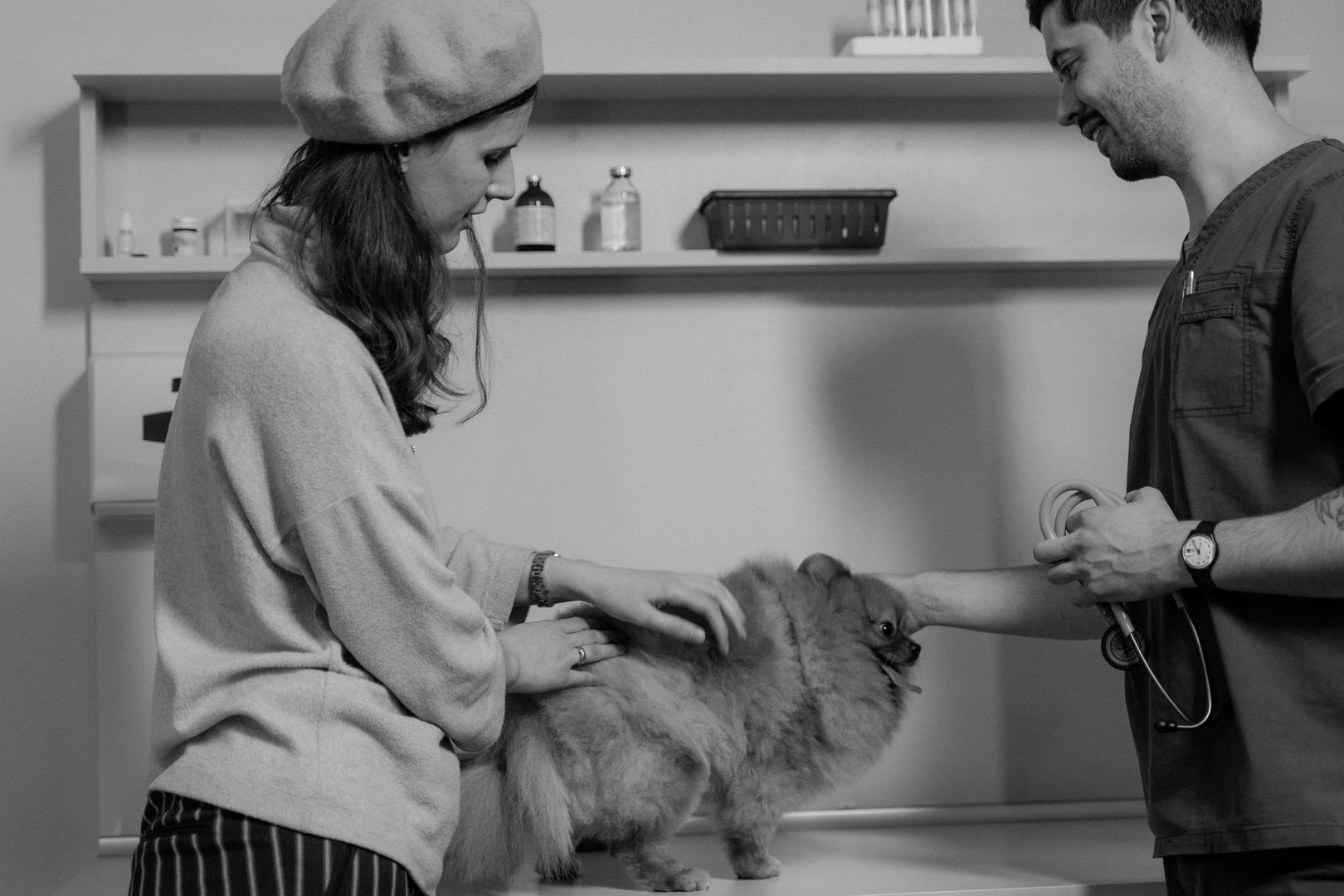
- Wipe in short passes: Start with the shoulders and back, then move to the legs and paws. Keep the towel movement slow and avoid pulling toes apart forcefully.
- Release clearly: Say “all done,” provide a final reward, and let the dog move away once the cleanup is complete.
A lick mat spread with a veterinarian-approved soft food can give the dog a pleasant stationary activity while you work. Scattered treats on the mat can also encourage nose-down focus, although they are less suitable if the floor is too wet or the dog guards food. Keep rewards small, supervise all enrichment items, and stop if the dog shows stress signs such as lip licking, freezing, tucked posture, whale eye, or repeated attempts to escape.
Streamlined Storage for Clutter-Free Cleaning Gear
Cleanup becomes much easier when every item has a designated home within one arm”s reach of the door. The goal is not to create a display of pet equipment. It is to eliminate the frantic search for a towel while a wet dog shakes beside the umbrella stand.
A compact toolkit can fit in one washable basket, a wall-mounted bin, or a narrow cabinet. Keep towels separate from dry household linens, and wash damp items promptly rather than leaving them crumpled in a closed container. Dog washing station inspiration often features dedicated baths, showers, and mudroom layouts, but a useful station does not require plumbing or a remodel.

- Two or three absorbent chamois or microfiber towels in different sizes
- Pet-safe wipes for quick cleaning of small splashes, with no harsh fragrance or essential oils
- A paw-cleaning cup or paw plunger used gently with lukewarm water
- A soft brush for removing grit from feathered legs and coats
- A washable waterproof mat beneath the storage area
- A small container for used towels and muddy wipes
Use vertical space to keep the floor clear. Wall hooks can hold leashes, raincoats, and towels, while a slim shelf can support wipes, treats, and a sealed container of waste bags. Entryway organization specialists commonly recommend walls, corners, and narrow furnishings because they increase capacity without making a small space feel crowded. Mount supplies at a dog-level height only when the dog cannot chew, pull down, or ingest them. Chemicals, medications, scissors, and small accessories should remain securely out of reach.
Give wet equipment a separate drip-dry station. A boot tray beneath hooks can catch water from raincoats and human footwear, while a ventilated basket prevents damp towels from becoming musty. Do not hang heavy wet gear from a weak adhesive hook, and do not place wet fabric against painted walls or untreated wood. Air circulation matters, especially in apartments and enclosed hallways.
Low-Cost Adaptation for Small Spaces and Hallways
A full mudroom may offer a built-in dog shower, cabinetry, bench seating, and dedicated drainage, but most homes can reproduce the important functions in smaller pieces. A hallway needs a clear path, a protected floor, a towel station, and somewhere for wet gear to dry. These elements can be arranged along one wall, behind a door, or inside a shallow closet.
| Full mudroom setup | Compact modular adaptation |
|---|---|
| Built-in dog wash station | Collapsible silicone basin placed on a waterproof mat |
| Permanent cabinetry | Wall hooks, a narrow shelf, and one labeled basket |
| Fixed bench with storage | Small washable stool or nesting seat |
| Integrated drainage | Boot tray emptied and dried after each wet walk |
| Large tiled floor | Layered runner, removable waterproof mat, and towel landing |
A collapsible silicone basin can function as a temporary paw-washing station when the dog tolerates it. Fill it with a shallow amount of lukewarm water, support the paw without twisting the joints, and dry thoroughly between the toes. Never use very hot water, harsh detergent, or force if the dog becomes frightened. Dogs with painful joints, skin disease, broken nails, or persistent lameness may need veterinary guidance before repeated paw handling.
Protect the floor according to its vulnerabilities. Hardwood should be dried quickly because seams and unsealed edges can swell or discolor. Tile is more water-resistant, but grout can hold grit and odor, so rinse and dry the area regularly. Laminate may tolerate brief moisture but can suffer when water enters joints. A waterproof underlayer beneath the absorbent mat provides an additional safeguard, provided it does not create a slippery edge.
Small spaces benefit from visual simplicity. Choose one color family for mats and baskets, label only what is necessary, and remove unused gear after the rainy season. Test every mat for movement before the dog uses it, particularly on polished tile. If the dog slips, pants, freezes, or avoids the entry station, adjust the surface and routine rather than expecting the dog to adapt to an unsafe setup.
Turn Rainy Day Returns into Moments of Peaceful Connection
The post-walk ritual can become a calm point of connection instead of a race against muddy paw prints. A familiar mat, a steady cue, a soft towel, and a small reward tell the dog exactly what happens next. This predictability reduces conflict and gives the dog a chance to settle while preserving floors, furniture, and everyone”s patience.
Start tonight with three small changes: place a washable absorbent mat inside the door, hang one towel and the leash together, and practice the “wait and wipe” cue during a dry day. Keep the routine brief, kind, and consistent. With thoughtful barriers and humane handling, rainy walks remain enriching for the dog while the homecoming becomes cleaner, quieter, and far easier to manage.