Paws, Plants, and Peace: How to Create Dig-Proof Borders Your Dog Will Respect
Why Digging Dogs Belong in Beautiful Backyards
Is your dog turning a carefully planted flower bed into a moonscape? Digging is rarely an act of spite. It is a normal canine behavior linked to scent exploration, the search for hidden pests, cooling down in damp soil, storing treasured objects, and releasing boredom or stress. A busy nose and determined paws are often signs that a dog is following an instinct, not deliberately challenging the household rules.
Punishment may stop digging for a moment, but it can also increase anxiety, encourage secret digging, and weaken trust between dog and owner. A better approach is petscaping, which means designing outdoor space around both plant needs and animal behavior. Guidance from the University of Florida”s petscaping guide supports this broader idea, while an Authoritative Source on creating a dog-friendly landscape reinforces the value of giving pets safe ways to explore while protecting the areas that matter most to you.
Understanding the Canine Digging Drive
Before choosing a border, watch when and where digging happens. A dog that digs beside a fence may be trying to investigate a scent or reach an animal. One that scrapes out a shallow hollow on a hot afternoon may be seeking cool soil. Dogs can also bury toys, chase insects, prepare a resting place, or dig after a stimulating event because the repetitive motion helps them settle.
These clues make the garden easier to plan. If digging follows long periods alone, add exercise, sniffing games, and short training sessions before expecting a flower bed to remain untouched. If a dog repeatedly targets one sunny border, consider whether the soil is loose, fragrant, shaded underneath, or filled with interesting wildlife. Physical barriers matter, but they work best when paired with an appropriate outlet.
- Burrowing: Dogs may pursue insects, rodents, or scents beneath the surface.
- Cooling: Loose soil can provide relief during warm weather, especially for thick-coated dogs.
- Caching: Toys, treats, and chews may be buried as a natural storage behavior.
- Comfort and coping: Digging can discharge energy, frustration, or nervous tension.
- Exploration: Fresh smells in mulch and soil create a rewarding sensory activity.
Redirecting the behavior is not the same as allowing unlimited yard damage. Use clear boundaries, supervise during the learning period, and reward the dog immediately for choosing the approved area. If digging appears suddenly, becomes frantic, or is accompanied by pacing, licking, appetite changes, or other unusual behavior, consult a veterinarian. A physical problem or significant anxiety may be contributing.
Building Better Boundaries with Smart Physical Deterrents
Start with structure. Raised beds made from natural stone or sturdy timber create a visible change in level that many dogs learn to respect more easily than a flat planting strip. A border higher than six inches may discourage casual pawing for some dogs, although height should be adapted to the animal”s size, athletic ability, and jumping habits. Rounded or smoothly finished edges are preferable to sharp corners, splinters, exposed nails, and unstable stacked materials.
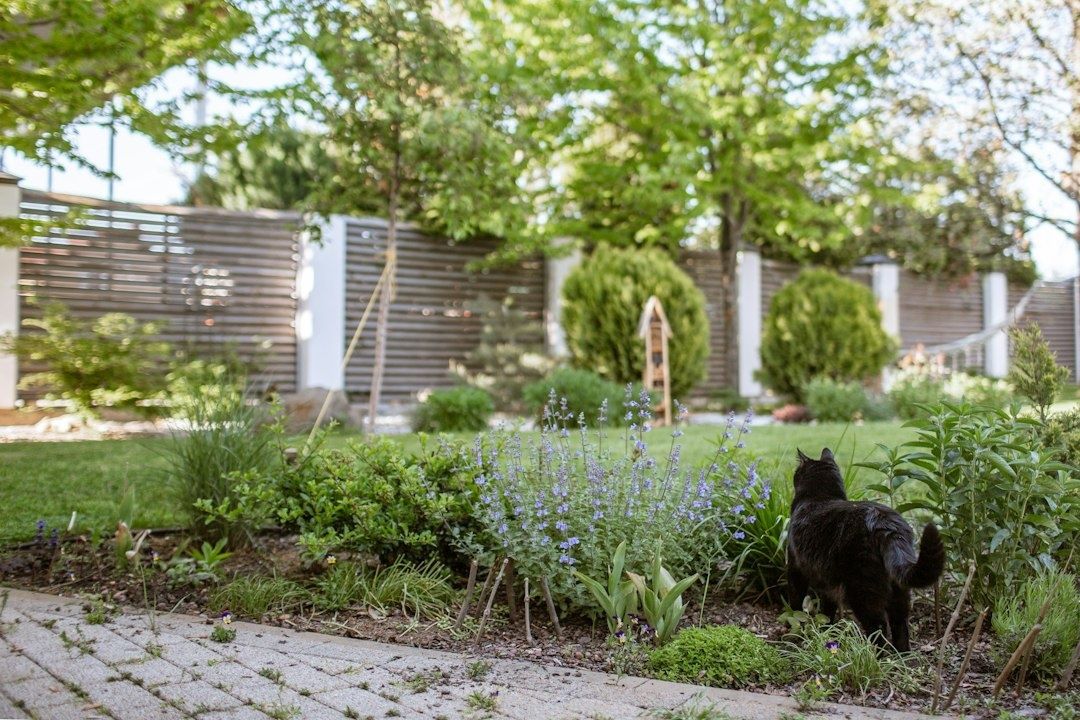
Shape also matters. A low wall can break the dog”s direct sightline to loose soil, while a broad planting border gives roots room without leaving a soft runway for paws. Keep paths wide enough for people to maintain the garden without stepping into plants, and leave a comfortable route for the dog to move between resting, toileting, and play areas. A landscape that feels cramped often creates more traffic through flower beds.
- Natural stone: Choose stable, rounded stones that cannot roll under a dog”s weight.
- Raised timber: Use untreated or pet-appropriate lumber, smooth all surfaces, and inspect for splinters.
- River rock: Smooth stones can make digging difficult, but select pieces too large to swallow and avoid sharp gravel.
- Dense mulch: A firmly settled layer can reduce paw purchase, though cocoa mulch should be avoided because it can be dangerous if eaten.
- Hidden mesh: Lay chicken wire or hardware cloth horizontally just beneath the soil at the bed”s edge, securing it so no ends protrude.
Buried mesh should be an added layer of protection, not a trap. Fold or cover every cut edge, check for rust and exposed wire, and test the surface with a gloved hand before allowing the dog near it. A horizontal barrier placed under the topsoil prevents a satisfying digging stroke while preserving a natural appearance. Avoid methods that shock, injure, entangle, or frighten the dog. Motion-activated sprinklers can be useful in some yards, but position them carefully so they do not repeatedly startle people, visiting animals, or a dog that is already fearful.
Botanical Buffers and Resilient Non-Toxic Plant Choices
Plants can form a living buffer, but safety must come before appearance. Verify the exact scientific name, not only the common name, because similar names can refer to different species. The Michigan State University guidance on dog-friendly landscapes emphasizes planning for traffic, shade, drainage, and the dog”s habits rather than relying on a single supposedly indestructible plant.
Use the ASPCA”s toxic and non-toxic plant database to check each selection. “Non-toxic” does not mean edible, and any plant material can cause stomach upset if consumed in quantity. Keep especially careful distance between dogs and plants such as azaleas, tulips, sago palms, and other species identified as hazardous. If a dog chews an unknown plant and develops vomiting, diarrhea, weakness, drooling, or unusual behavior, contact a veterinarian or an animal poison-control service promptly.
| Plant or ground cover | Useful garden role | Practical caution |
|---|---|---|
| Labrador violet | Soft coverage for sun or shade with some tolerance of foot traffic | Protect newly planted sections until roots establish |
| Snow-in-summer | Drought-tolerant silvery foliage for sunny edges | Best where moderate, rather than constant, traffic is expected |
| Creeping thyme | Low, aromatic cover for sunny borders | Keep away from the main digging zone while it fills in |
| Lilyturf | Sturdy evergreen edging for higher-traffic locations | Confirm local growing conditions and prevent chewing of large quantities |
| Moss | Shade-friendly coverage for moist areas | It may fail in hot, dry, or heavily compacted soil |
Aromatic foliage such as rosemary and lavender may make a border less interesting to a curious nose, although scent is not a guaranteed deterrent. Dense shrubs can also create a visual and physical buffer, but avoid thorny plants that can catch fur, puncture skin, or injure an enthusiastic dog. Plant in clusters rather than isolated specimens, then protect young roots with a temporary, humane barrier until the planting becomes established.
Creating an Irresistible Dedicated Dig Zone
The most reliable garden plan gives digging a clear address. Choose a shaded or partly shaded corner away from prized perennials, irrigation lines, toxic plants, and fence edges. The area should be easy to reach from the dog”s usual play space, but not so close to a gate or boundary that digging creates an escape route.
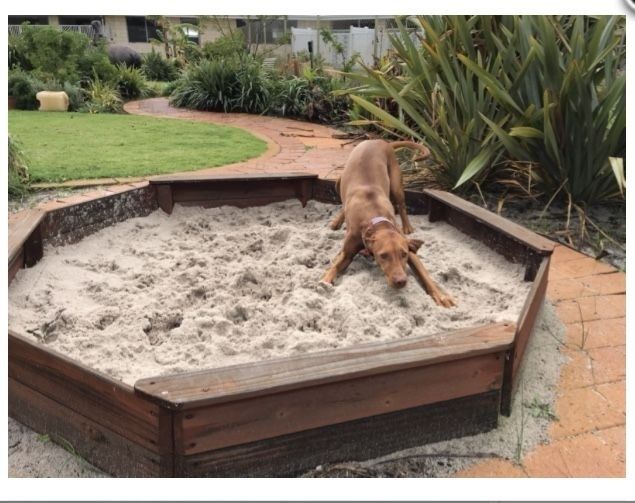
A dedicated dog sandbox can be simple, attractive, and easy to refresh. Use play sand or another clean, dog-appropriate digging medium, and contain it with smooth natural wood siding or rounded edging. Good drainage prevents stagnant water and unpleasant odors, while shade helps keep the surface comfortable. Do not use construction debris, treated scraps, sharp stone, or soil that may contain fertilizer, pesticides, or animal waste.
- Mark the site: Select a visible corner with room for the dog to turn, dig, and leave safely.
- Prepare the base: Remove weeds and large roots, then create a gently draining foundation that does not collect water.
- Build the frame: Install stable, smooth edging with no exposed screws, nails, staples, or splinters.
- Add the medium: Fill with clean play sand to a depth that allows digging without reaching the base.
- Introduce the space: Bury a durable toy just below the surface and praise the dog for investigating there.
- Reinforce the choice: Reward approved digging immediately, then calmly guide the dog away from protected beds.
Begin with short, supervised sessions. Hide toys, safe chews, or a few pieces of the dog”s regular food in the sandbox so the area becomes rewarding without relying on excessive treats. When the dog starts digging elsewhere, avoid shouting. Interrupt gently, lead the dog to the sandbox, and celebrate the correct choice with praise, play, or a reward.
Refresh the sand when it becomes compacted, contaminated, or unattractive, and inspect the zone after storms or wildlife visits. Pair the dig zone with daily sniff walks, food puzzles, and shaded rest areas. Enrichment reduces the pressure placed on the garden, while consistency teaches the dog that flower beds are for looking and the sandbox is for digging.
Cultivate a Backyard Haven for Both Paws and Petals
A dig-proof garden is not a punishment zone. It is a carefully layered landscape that combines gentle physical friction, safe plant choices, clear pathways, and an appealing alternative. Raised borders, smooth materials, buried mesh, and resilient ground covers protect vulnerable beds, while an inviting sandbox gives a normal canine behavior a safe destination.
Expect progress rather than instant perfection. Recheck boundaries as plants mature, weather changes the soil, and seasonal wildlife creates new scents. Reward good choices every time they appear, make adjustments before frustration builds, and protect both paws and petals with calm supervision. With thoughtful design and patient reinforcement, a backyard can stay beautiful while giving an energetic dog space to explore, rest, and dig with confidence.